


Our of the key discussions and debates around servitization is whether a fully servitized offering is, by default, an outcome-based solution. There is, of course, much nuance around this conversation, and it is one that has been debated and will continue to be debated across the opinion pages of Field Service News.
However, within a data-driven report such as this, where the intention is to outline the trends of the market without editorialisation, we can see that the consensus amongst those organisations who are actively offering a servitized element within their service portfolio is that the two terms are increasingly becoming synonymous.
Indeed, almost three-quarters (71%) of the respondents in this study who do offer a servitized element within their service portfolio have stated that their servitized offering is based around an outcome-based pricing model.
Meanwhile, amongst those organisations that state that they are currently in the process of developing their own servitization offering, 86% state that they intend it to be a fully outcome-based priced offering.
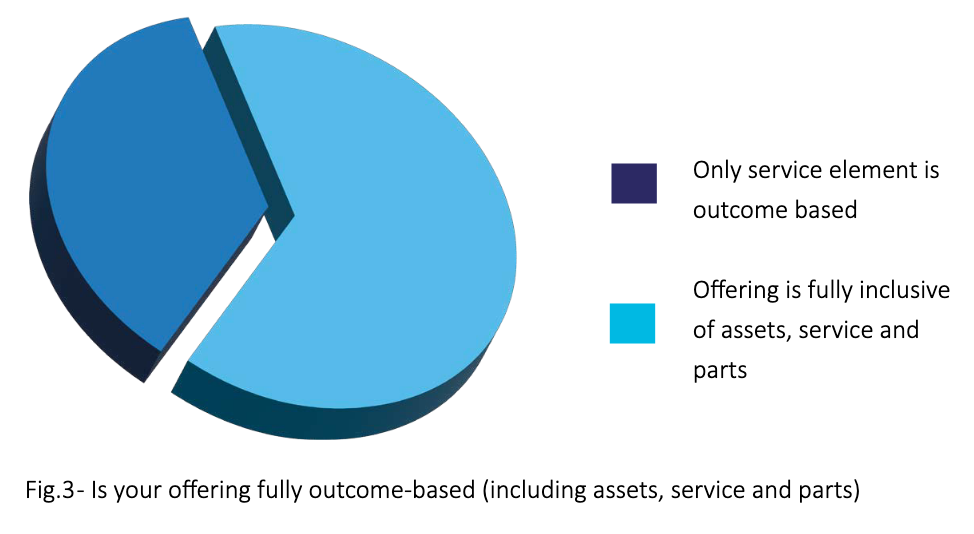
However, as we discussed in the opening section of this report, in such complex strategic discussions, terms can often become somewhat vague and be used interchangeably. We, therefore, once again wanted to drill down further to better understand how our respondents were defining outcome-based services.

 Data usage note: By accessing this content you consent to the contact details submitted when you registered as a subscriber to fieldservicenews.com to be shared with the listed sponsor of this premium content HSO who may contact you for legitimate business reasons to discuss the content of this briefing report.

Data usage note: By accessing this content you consent to the contact details submitted when you registered as a subscriber to fieldservicenews.com to be shared with the listed sponsor of this premium content HSO who may contact you for legitimate business reasons to discuss the content of this briefing report.

Turning knowledge into action for the manufacturing industry.